Printing Methods

DTG Printing Guide for Beginners

πŸ“… April 12, 2026 ✍️ James Whitfield ⏱️ 6 min read

New to custom printing? DTG (Direct-to-Garment) is one of the easiest methods to understand β€” here's a beginner-friendly explanation of how it works and when to use it.

1. What DTG Actually Is

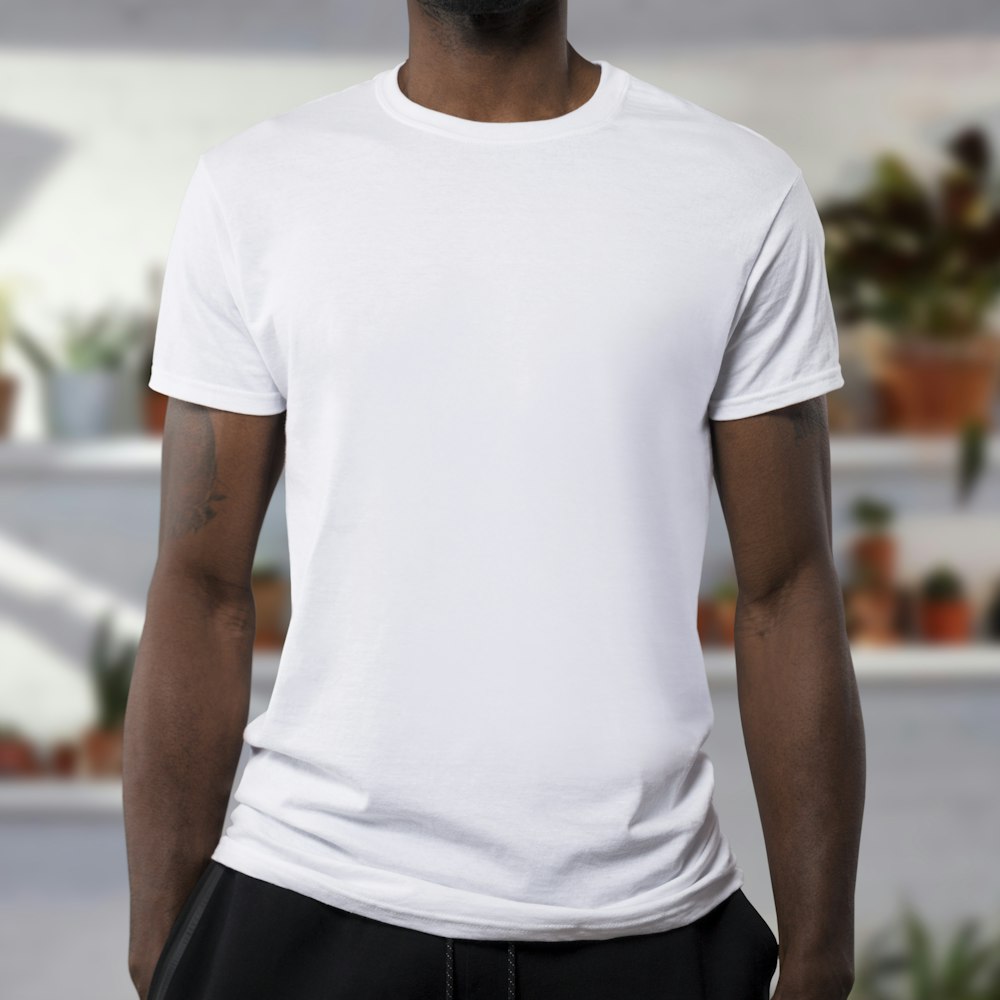
DTG stands for Direct-to-Garment printing β€” it works much like an inkjet printer, but instead of paper, it prints directly onto the fabric of your t-shirt.

2. How the Printing Process Works

The garment is loaded onto a flat printing tray, and specialized textile ink is sprayed directly onto the fabric in full color, then heat-cured to set the print permanently.

3. When DTG Is the Right Choice

DTG is ideal for full-color, detailed, or photo-realistic designs printed in small quantities β€” there's no setup cost, so even a single custom shirt is affordable.

4. Limitations to Know About

DTG works best on 100% cotton fabric and can be slower per-piece than screen printing at very high volumes, making it less ideal for large bulk orders.


πŸ’‘ Pro Tip

If you're not sure whether DTG or DTF suits your design better, ask us β€” the two methods overlap in many use cases and we can recommend the better fit.

Key Takeaways

  • DTG prints ink directly onto fabric, like an inkjet printer for t-shirts.
  • It has no setup cost, making single pieces affordable.
  • It's ideal for full-color, detailed, or photo-realistic designs.
  • DTG works best on 100% cotton garments.
  • It's less cost-effective than screen printing at very high volume.

Yes, it's one of the simplest and most affordable ways to start.

It works best on 100% cotton; polyester needs a different method.

Unlimited β€” it prints full color like a photograph.

It can be used at bulk, though screen printing is often more cost-effective at high volume.

Durable when properly cured, holding up to regular washing.

Yes, single pieces are affordable since there's no setup cost.

DTG prints directly onto fabric; DTF prints onto film then transfers via heat.

It has a soft feel that blends into the fabric, similar to screen printing.

Yes, it's one of the best methods for this.

Send us your design and quantity for a quick quote.

James Whitfield
James Whitfield

Founder & Head of Print at TShirtPrintLondon, with 8+ years in custom apparel production.

← PreviousDTF Printing Benefits for Small Businesses Next β†’Screen Printing for Bulk Orders

Need Custom T-Shirt Printing?

Back to Top