1. Why Restaurant Uniforms Matter
In a busy London restaurant, guests form an impression of the business within seconds of walking in — and staff uniforms are a huge part of that first read. A consistent, well-printed uniform signals organization and professionalism, while mismatched or faded staff clothing can undercut even excellent food and service.
Beyond first impressions, uniforms also make it instantly clear to customers who is staff, which matters during busy dinner services when guests need quick help finding their server or asking a passing team member a question.
2. Best Garments for Front and Back of House
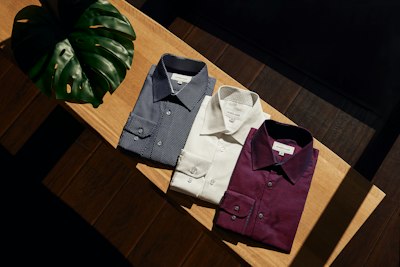
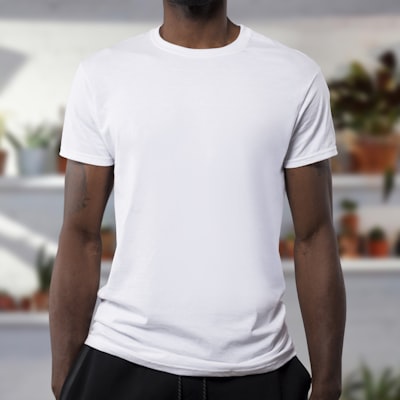
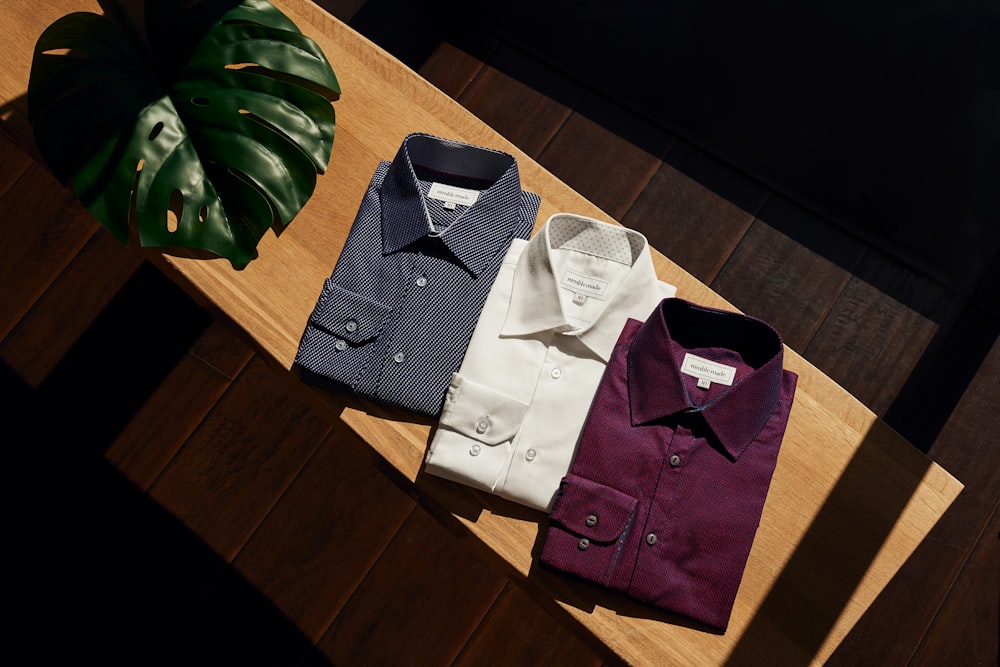
Front-of-house staff — servers, hosts, bartenders — usually suit embroidered polos or button-down shirts, which read as smart and professional under restaurant lighting. Back-of-house kitchen staff typically need breathable t-shirts or chef tees paired with branded aprons, prioritizing comfort and heat resistance over formality.
We regularly print both categories for London restaurant groups in the same order, keeping logo placement and thread color consistent across every garment type so the whole team still reads as one brand.
3. Durability Through Heavy Washing
Restaurant uniforms go through far more washing than typical corporate apparel — often daily, sometimes at high heat to meet hygiene standards. This makes durability the single most important factor in choosing a printing method.
Embroidery is generally the most wash-durable option for logos, holding its shape and color long after screen prints or heat transfers begin to crack or fade. For text-heavy designs or larger back prints, high-quality screen printing with proper curing is still a solid, cost-effective choice.
4. Branding Placement That Works
A small embroidered logo on the chest is the standard for front-of-house polos — subtle, professional, and unobtrusive while serving tables. For back-of-house tees, a larger back print with the restaurant name works well since kitchen staff rarely face customers directly.
5. Tips for Ordering as a Restaurant
Order slightly more than your current headcount to account for new hires and normal staff turnover in hospitality. Keep a small buffer stock on hand so a new starter can be uniformed on day one rather than waiting on a fresh print run.